Page is temporarily unavailable. Please check back in a few hours
Related Post
What Is an Acoustic Consultant and What Do They Do?What Is an Acoustic Consultant and What Do They Do?
 Acoustic engineers are experts in sound. They solve problems relating to vibration and noise. Many acoustic engineers hold master’s degrees in fields such as electronics, audio or electrical engineering to name a few. Acoustic engineers can work in various industries and sectors, such as:
- Underwater noise management
- Architectural design
- Warehouse sound control
- Reducing highway noise
Acoustic consultants in London and elsewhere can work alongside stakeholders and organisations to figure out problems and create solutions to help with noise pollution. Consultants can also design treatments that reduce noise. Not only that, but they can organise studies that focus on sounds.
These professionals help both public and private entities. They can address safety concerns in regard to how sounds affect wildlife.
Acoustical Consultants: What They Do
Generally speaking, they take a look at how sound impacts specific sites. They do this via testing and then pinpointing the sources of noise. Once the tests come back, they examine the data and then they determine whether a highway or electrical substation is creating high levels of noise. Sometimes it may turn out to be a transportation hub that is cause for concern.
They typically work with many other specialists with the purpose of solving noise problems. Not only that, but more experienced acoustical consultants train younger consultants. As for specific tasks they usually conduct, they include the following:
- Create model data
- Create a summary of issues about noises and sources causing them
- Use equipment to measure sounds
- Create user systems that are designed to reduce noise
- Perform research on treatments and data
They perform many more tasks than those. However, the above are some of the most commonly performed tasks. The truth is acoustical consultants have many tasks they handle on a daily basis, and the extent of them depends on the project they are working on.
Create Sound Walls
Consultants use materials that are soundproof. These materials can reduce noise and sounds, which in turn protects residents and the environment. Residents won’t hear as much noise from sources such as traffic, train traffic, construction equipment or general noise to name a few.
One of the best things about sound walls is they reduce noise issues associated with highway traffic. In some cases, they can eliminate noises altogether. In turn, residents will enjoy a quieter area.
Outdoor Sound Wall Panels
Another cause of loud noises and vibrations is heavy machinery. Sound waves caused by heavy machinery are capable of loosening nuts and bolts. A good way to reduce these waves of sound is by installing acoustic panels, which in turn will reduce the chances of vibration-related issues from occurring.
Acoustic engineers can create solutions for companies in the commercial manufacturing industry. They also work with construction firms. In fact, companies often hire them to help them protect their workers, lengthen the life of equipment and to save money. There are many companies in various industries that need research carried out on environmental noise and its potential effects on the surrounding area, which is why they turn to acoustical consultants. These are only a few reasons companies hire acoustical consultants.
Reasons to Use a UPSReasons to Use a UPS
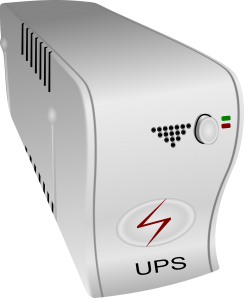 Unforeseen power interruptions can have a devastating effect on your business, and especially your data centres. Planning for this in advance (by having UPS systems installed) can save your business from data loss and other critical functions. A UPS, also known as an Uninterruptable Power Supply, is a system that protects you from power surges, spikes, and blackouts. Here, experts from UPS Battery Shop explain more.
Types of Power Interruptions
Most computer systems today face everything from blackouts, power surges, brownouts and electric signal noise that make it hard for them to function optimally, if not damage them. Each of these issues presents your computer system with a unique problem which if not managed, can have a debilitating effect.
Blackouts
Blackouts are the most common of electrical problems today. An outage can cause your systems to malfunction or even lead to a blackout. While some blackouts are controlled, many of them aren’t; that’s one of the reasons you need to ensure your business is protected from the same.
Brownouts
Brownouts, on the other hand, are less frequent but as destructive as blackouts. A brownout can be defined as a drop in voltage. While your systems may still be able to draw some juice from the connection, most will either overheat or trip. Brownouts are known to run for a few minutes to several hours. A brownout can also go undetected by the utility company, hence leaving your systems without current to keep them powered on.
Signal Noise
Electric signal noise may be caused by interference between generators and lightening. While signal noise may not affect most electronics, many computer systems cannot operate/run optimally with a noisy electrical current. Electric noise can lead to chip damage as well as corrupted operating systems and files.
Spikes
Spikes are short-lived electrical current flare-ups commonly caused by an increase in voltage due to lightning or other reasons. Electric spikes may also be experienced when power is restored after a blackout. Spikes can have devastating effects, and almost always leaves connected electronics with a blown fuse or even worse.
Power Surges
A power surge is the direct opposite of a brownout. A power surge can see a sharp increase in power and electrical current, mostly more than the stated voltage for the line. Although short-lived, a power surge could cause significant damage to some of your most expensive equipment and appliances. These include air conditioners, servers, and refrigerators.
Are These Problems Common?
The Department of Energy has been monitoring power outages and the effects they have on appliances and other electrical equipment for the past fifteen years. Illinois, in the USA, recorded a power outage for more than two days which were caused by severe thunderstorms. The 2014 events say 420,000 individuals and businesses were affected by the unprecedented power outage. The state of Pennsylvania was affected by inclement weather, which saw more than 715,000 customers affected by the power outage. A good number of these were businesses without a good backup power system. The same can happen to you. How prepared you are, however, determines if your computers and data will stay intact during such times.
Types of UPS Systems
There are essentially two types of UPS systems on the market today:
a. Standby UPS
b. Line Interactive UPS.
The Standby UPS is designed to protect your computers and IT equipment from power surges and outages. The UPS monitors the voltage-current for inconsistencies and switches immediately to battery power if a surge or outage is detected. This thus leaves your computers and other equipment running uninterrupted until the issue is resolved. Small businesses with one or two computers are better off with this type of UPS. A standby UPS generally costs between £150 and £500.
A-Line Interactive UPS, on the other hand, is designed to keep your computers and data centres protected from long-term power issues. It continually works to keep the voltage-current to your business stable. This is achieved by either reducing or boosting the incoming line voltage without needing to switch to battery power. These, therefore, are much longer-lasting, with their batteries lasting significantly longer than standby UPS systems. These are, however, more expensive – costing anything between £400 and £1200.