Chittagong Fashion Group Home Improvement What is a Landscape Architect?

What is a Landscape Architect?


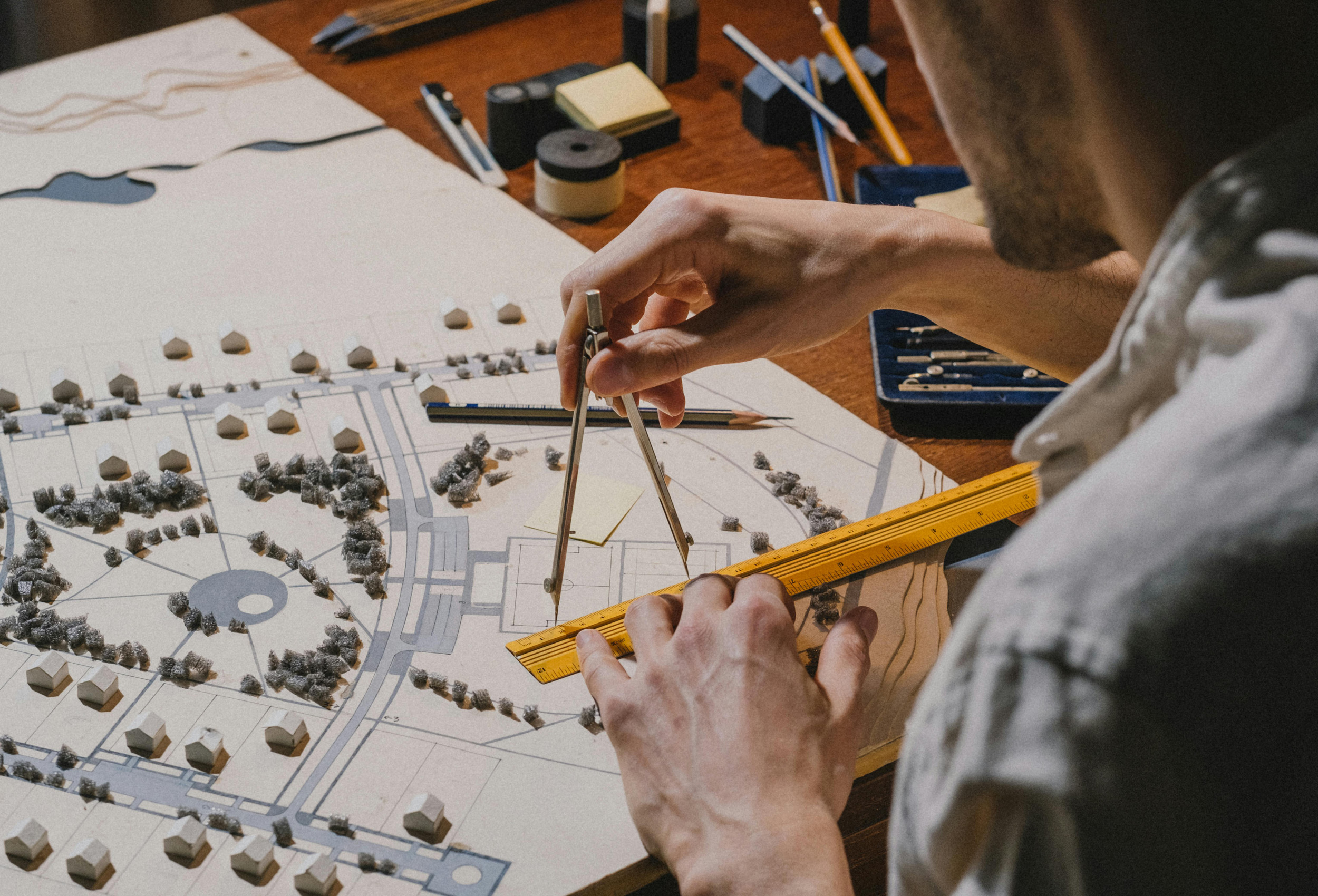
A landscape architect is a professional adept in the integration of art, science, and technology to design, plan, and manage land and water resources for a myriad of projects. Their scope extends to both public and private areas, crafting outdoor spaces that are functional, visually appealing, and in harmony with nature. These professionals might work on projects ranging from residential gardens and parks to large-scale urban developments and restoration of natural habitats.

The core of their work involves sustainability, environmental impact, and the social utility of land. They consider factors such as climate, soil, and vegetation to ensure that their designs are not only beautiful but also environmentally responsible and sustainable. In addition, landscape architects often incorporate historical and cultural significance into their designs, preserving the essence of local traditions and heritage.

Often, they collaborate with architects, engineers, urban planners, and other specialists to create cohesive, sustainable developments. This teamwork ensures that all aspects of a project are meticulously planned and executed, from aesthetic elements to practical functionality. Furthermore, landscape architects may also be involved in the management and maintenance of these spaces, ensuring that they remain vibrant and resilient over time.

Key Responsibilities of a Landscape Architect

Landscape architects are tasked with multifaceted responsibilities that combine technical knowledge with creative vision. One of their primary duties is conducting site analysis to comprehend the existing natural and constructed environment. This involves studying topography, vegetation, water features, and infrastructure to understand the site’s potential and limitations.

They then develop design plans that harmonise natural elements with human needs. These plans might include parks, residential areas, commercial spaces, and public gardens. Collaboration is also crucial; landscape architects Devon work closely with clients, stakeholders, and other design professionals to align with project goals.

Incorporating principles of sustainability and environmental conservation is another significant aspect of their role. They strive to create designs that minimise environmental impact, promote biodiversity, and use resources wisely. Additionally, they oversee the implementation of landscape projects, which includes managing construction and selecting appropriate plants and materials.

Post-implementation evaluations are conducted to assess the success of the project and make any necessary adjustments. Staying informed about the latest technologies, materials, and design trends is essential for landscape architects to remain relevant and innovative in their field.

The Importance of Landscape Architects in Urban and Environmental Planning

The role of landscape architects is crucial in balancing urban development with environmental preservation. They play a pivotal role in ensuring cities are sustainable and resilient. Their designs can mitigate the negative effects of urbanisation, such as heat islands and air pollution, by incorporating green spaces and natural elements.

By creating healthy and liveable communities, landscape architects significantly improve the quality of life for urban residents. Their expertise in conserving natural resources, including water and biodiversity, within urban and suburban settings, is invaluable.

Sustainable design and planning are at the forefront of their work, helping to reduce the environmental footprint of development projects. This is particularly important in today’s context, where the need for sustainable living is more pressing than ever.

Landscape architects are instrumental in creating spaces that not only serve practical purposes but also enhance the aesthetic and ecological value of the environment. Their work supports the creation of spaces where individuals can connect with nature, fostering a sense of well-being and community.

Conclusion

In summary, landscape architects are vital in shaping our outdoor spaces in ways that are functional, beautiful, and environmentally responsible. Their ability to blend artistic vision with scientific expertise makes them integral to urban and environmental planning. For those looking to create sustainable and aesthetically pleasing outdoor environments, consulting with a landscape architect can provide invaluable insights and solutions.

If you’re interested in transforming your outdoor space, consider reaching out to a professional landscape architect who can guide you through the process and help bring your vision to life.


Related Post

Bathroom Trends You Need to Know in 2024Bathroom Trends You Need to Know in 2024

The modern bathroom has become more than just a functional space; it’s now an oasis of relaxation, innovation, and sustainability. Here, we explore the top bathroom trends that are transforming this essential room into a stylish sanctuary.

Eco-Friendly Fixtures

Sustainability remains at the forefront of home design, and bathrooms are no exception. Eco-friendly fixtures are gaining traction as homeowners aim to reduce water usage and energy consumption without compromising on style. Low-flow toilets, water-saving showerheads, and faucets with aerators are not only environmentally friendly but also cost-effective in the long run. Additionally, fixtures made from recycled or sustainable materials add a touch of eco-chic to any bathroom, proving that being green can also be aesthetically pleasing.

Smart Technology

Smart technology is making its way into every corner of the home, and the bathroom is no different. From intelligent mirrors that offer weather updates and news briefings to smart showers that remember your preferred temperature settings, these high-tech additions enhance both convenience and luxury. Voice-activated lighting and temperature controls allow for a personalised experience, while smart toilets with features such as self-cleaning and built-in bidets offer superior hygiene. These innovations are not just about luxury; they contribute to a more efficient and customised bathroom experience.

Statement Mirrors

Mirrors have always played a key role in bathroom design, but now they’re stepping into the spotlight as statement pieces. Oversized mirrors, geometric shapes, and unconventional frames can transform a simple bathroom into a striking space. Mirrors with integrated LED lighting not only improve visibility but also add a touch of modern elegance. The trend extends to mirrored cabinets, which combine functionality with artistic flair. Whether you prefer minimalist designs or ornate frames, a well-chosen mirror can be a focal point that enhances the overall aesthetic of your bathroom.

Natural Elements

Bringing nature into the bathroom is another trend that’s gaining momentum. Materials such as stone, wood, and natural fibres create a serene and organic atmosphere. Wooden vanities, pebble-style floor tiles, and stone sinks add texture and warmth, making the bathroom a tranquil retreat. Plants also play a significant role in this trend, with greenery adding freshness and improving air quality. Incorporating natural elements not only boosts the visual appeal of the bathroom but also fosters a sense of calm and connection with nature.

Whether you’re seeking contemporary designs, luxurious fittings, or budget-friendly solutions for bathrooms in Camberley, there is a range of showrooms and services to meet your needs. Here’s a comprehensive guide to the best bathroom options in Camberley, including showrooms, trends, and tips.

Minimalist Aesthetics

Minimalism continues to be a popular choice for bathroom design. The focus is on clean lines, uncluttered spaces, and a neutral colour palette. Built-in storage solutions keep surfaces clear, allowing the beauty of the materials and fixtures to shine through. The minimalist approach extends to hardware, with sleek, understated taps and handles that complement the overall simplicity. This trend is not just about reducing visual clutter; it’s about creating a space that promotes relaxation and mindfulness.

Bold Colours and Patterns

While minimalism has its appeal, bold colours and patterns are also making a splash in bathroom design. Vibrant tiles, colourful vanities, and patterned wallpapers bring personality and character to the space. Dark hues such as navy, emerald green, and charcoal are being used to create dramatic, sophisticated bathrooms. When paired with metallic accents and contrasting textures, these bold choices result in a visually striking and contemporary environment.

Spa-like Features

Turning the bathroom into a spa-like retreat is a trend that shows no signs of slowing down. Features such as freestanding bathtubs, rain showers, and heated floors contribute to a luxurious bathing experience. Aromatherapy diffusers, soft lighting, and high-quality towels and robes further enhance the spa-like atmosphere. This trend is about creating an escape from the daily grind, providing a space where you can unwind and rejuvenate.

Conclusion

The latest trends in bathroom design are all about blending functionality with style. Whether you’re looking to make eco-friendly choices, integrate the latest smart technology, or simply update your space with bold colours and natural materials, there’s a trend to suit every taste.

Evaluating Deck Builders: A Practical Guide for Homeowners and DIY EnthusiastsEvaluating Deck Builders: A Practical Guide for Homeowners and DIY Enthusiasts

Choosing a deck builder is a significant decision that impacts the quality, durability, and aesthetic appeal of your outdoor space. However, the process can be overwhelming without knowing the right criteria to consider. This guide provides homeowners, DIY enthusiasts, and construction professionals with essential factors to evaluate when selecting a decking company.

Quality of Craftsmanship

The hallmark of a good deck builder is the quality of craftsmanship. Examine the materials they use and the overall workmanship in their completed projects. High-quality materials ensure longevity and resistance to weather elements, while superior workmanship minimizes future maintenance and repairs. A solid deck should look aesthetically pleasing, feel sturdy, and align perfectly without any gaps or uneven surfaces. Visiting a recently completed project or a current job site can provide a clearer picture of the builder’s capabilities.

Experience and Expertise

Experience plays a pivotal role in deck construction. Builders with years of experience are more likely to have encountered and overcome various challenges, honing their skills over time. Review the builder’s portfolio to assess the diversity and complexity of their past projects. A comprehensive portfolio reflects their expertise and ability to handle different styles and requirements. It’s also beneficial to inquire about any specialised training or certifications they might have, which further validate their proficiency.

Compliance with Building Codes

Adherence to local building codes and regulations is critical in deck construction. Confirm that the builder follows the required standards and possesses the necessary permits. This compliance not only ensures safety but also prevents potential legal issues that could arise from non-compliance. A reputable builder will be knowledgeable about local regulations and will take the initiative to secure all necessary permits before commencing work.

References and Reviews

Feedback from past clients offers invaluable insights into the builder’s reliability and quality of service. Seek references and read online reviews to gauge satisfaction levels among previous customers. Positive reviews and high ratings typically indicate a builder’s commitment to excellence. Conversely, recurrent negative feedback can be a red flag. Personal recommendations from friends or neighbours can also be helpful in finding trustworthy builders.

Warranty and Insurance

A reliable deck builder stands behind their work by offering warranties. These warranties protect you against defects in materials and workmanship for a specified period. Additionally, confirm that the builder is adequately insured. Insurance coverage safeguards you from liability in case of accidents or damages during the construction process. These protective measures demonstrate the builder’s confidence in their work and their dedication to customer satisfaction.

Communication and Transparency

Effective communication is a key component of any successful project. Evaluate the builder’s communication style and their willingness to keep you informed about the project’s progress. Transparent builders provide detailed estimates and timelines, ensuring there are no hidden costs or unexpected delays. They should also be responsive to your queries and concerns, fostering a collaborative and stress-free experience.

Timeliness

Adhering to agreed-upon timelines is another critical aspect of a builder’s reliability. Delays can cause inconvenience and escalate costs. Assess the builder’s track record in completing projects on time. Reliable builders plan meticulously and have contingency measures in place to address unforeseen issues without derailing the schedule.

Flexibility and Customisation

Every homeowner has unique preferences and requirements for their deck. A competent builder exhibits flexibility and can accommodate specific needs. Whether it’s integrating custom features, selecting particular materials, or adjusting designs, the builder should be able to tailor their approach to meet your vision. Their ability to personalise the project reflects their adaptability and commitment to delivering a deck that aligns with your expectations.

Conclusion

Selecting the right deck builder involves careful consideration of various factors. By focusing on the quality of craftsmanship, experience, adherence to building codes, references, warranties, communication, timeliness, and flexibility, you can make an informed decision that ensures your deck is both beautiful and durable.