Chittagong Fashion Group Home Improvement Bathroom Trends You Need to Know in 2024

Bathroom Trends You Need to Know in 2024


The modern bathroom has become more than just a functional space; it’s now an oasis of relaxation, innovation, and sustainability. Here, we explore the top bathroom trends that are transforming this essential room into a stylish sanctuary.

Eco-Friendly Fixtures

Sustainability remains at the forefront of home design, and bathrooms are no exception. Eco-friendly fixtures are gaining traction as homeowners aim to reduce water usage and energy consumption without compromising on style. Low-flow toilets, water-saving showerheads, and faucets with aerators are not only environmentally friendly but also cost-effective in the long run. Additionally, fixtures made from recycled or sustainable materials add a touch of eco-chic to any bathroom, proving that being green can also be aesthetically pleasing.

Smart Technology

Smart technology is making its way into every corner of the home, and the bathroom is no different. From intelligent mirrors that offer weather updates and news briefings to smart showers that remember your preferred temperature settings, these high-tech additions enhance both convenience and luxury. Voice-activated lighting and temperature controls allow for a personalised experience, while smart toilets with features such as self-cleaning and built-in bidets offer superior hygiene. These innovations are not just about luxury; they contribute to a more efficient and customised bathroom experience.

Statement Mirrors

Mirrors have always played a key role in bathroom design, but now they’re stepping into the spotlight as statement pieces. Oversized mirrors, geometric shapes, and unconventional frames can transform a simple bathroom into a striking space. Mirrors with integrated LED lighting not only improve visibility but also add a touch of modern elegance. The trend extends to mirrored cabinets, which combine functionality with artistic flair. Whether you prefer minimalist designs or ornate frames, a well-chosen mirror can be a focal point that enhances the overall aesthetic of your bathroom.

Natural Elements

Bringing nature into the bathroom is another trend that’s gaining momentum. Materials such as stone, wood, and natural fibres create a serene and organic atmosphere. Wooden vanities, pebble-style floor tiles, and stone sinks add texture and warmth, making the bathroom a tranquil retreat. Plants also play a significant role in this trend, with greenery adding freshness and improving air quality. Incorporating natural elements not only boosts the visual appeal of the bathroom but also fosters a sense of calm and connection with nature.

Whether you’re seeking contemporary designs, luxurious fittings, or budget-friendly solutions for bathrooms in Camberley, there is a range of showrooms and services to meet your needs. Here’s a comprehensive guide to the best bathroom options in Camberley, including showrooms, trends, and tips.

Minimalist Aesthetics

Minimalism continues to be a popular choice for bathroom design. The focus is on clean lines, uncluttered spaces, and a neutral colour palette. Built-in storage solutions keep surfaces clear, allowing the beauty of the materials and fixtures to shine through. The minimalist approach extends to hardware, with sleek, understated taps and handles that complement the overall simplicity. This trend is not just about reducing visual clutter; it’s about creating a space that promotes relaxation and mindfulness.

Bold Colours and Patterns

While minimalism has its appeal, bold colours and patterns are also making a splash in bathroom design. Vibrant tiles, colourful vanities, and patterned wallpapers bring personality and character to the space. Dark hues such as navy, emerald green, and charcoal are being used to create dramatic, sophisticated bathrooms. When paired with metallic accents and contrasting textures, these bold choices result in a visually striking and contemporary environment.

Spa-like Features

Turning the bathroom into a spa-like retreat is a trend that shows no signs of slowing down. Features such as freestanding bathtubs, rain showers, and heated floors contribute to a luxurious bathing experience. Aromatherapy diffusers, soft lighting, and high-quality towels and robes further enhance the spa-like atmosphere. This trend is about creating an escape from the daily grind, providing a space where you can unwind and rejuvenate.

Conclusion

The latest trends in bathroom design are all about blending functionality with style. Whether you’re looking to make eco-friendly choices, integrate the latest smart technology, or simply update your space with bold colours and natural materials, there’s a trend to suit every taste.
Related Post

What is a Landscape Architect?What is a Landscape Architect?

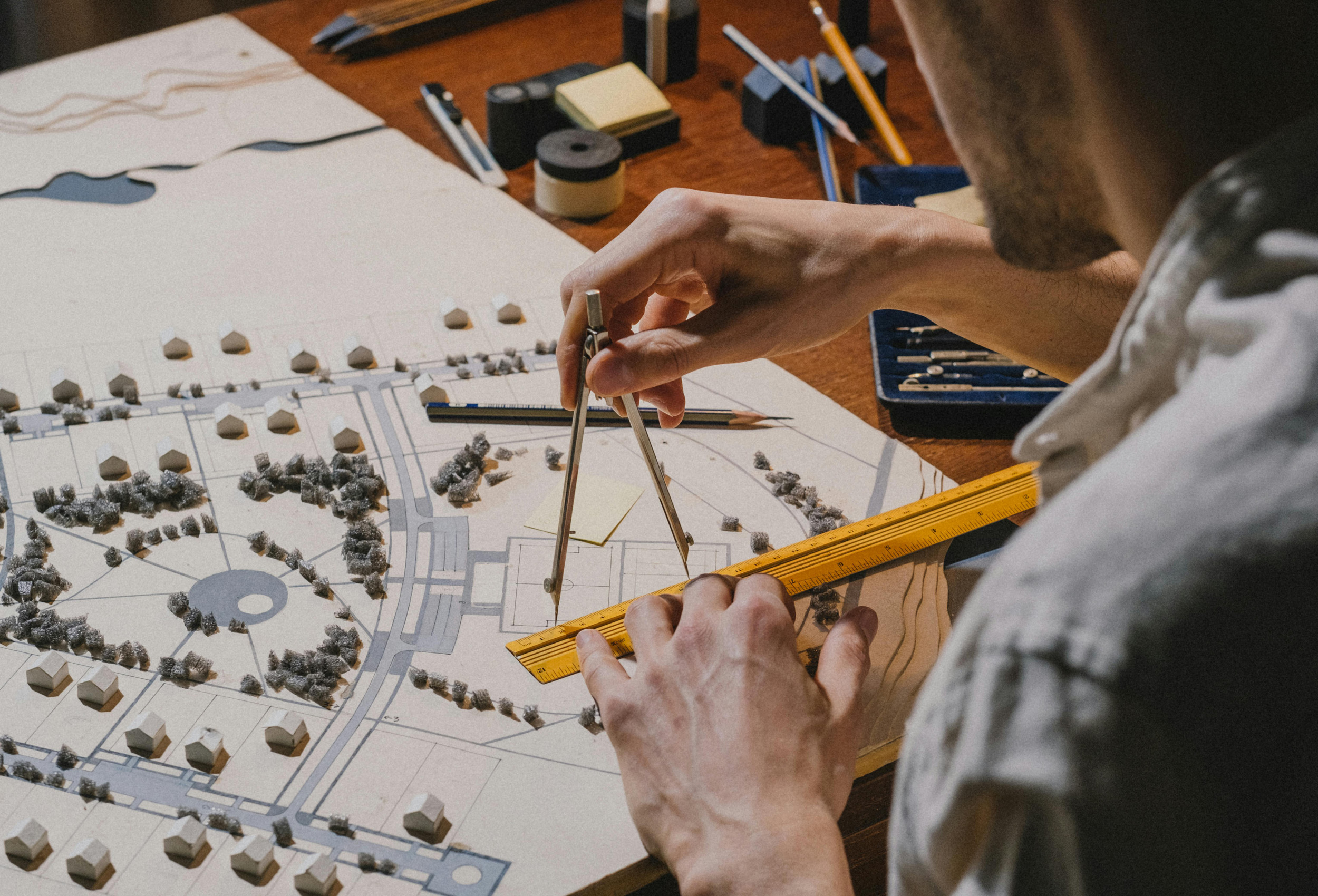
A landscape architect is a professional adept in the integration of art, science, and technology to design, plan, and manage land and water resources for a myriad of projects. Their scope extends to both public and private areas, crafting outdoor spaces that are functional, visually appealing, and in harmony with nature. These professionals might work on projects ranging from residential gardens and parks to large-scale urban developments and restoration of natural habitats.

The core of their work involves sustainability, environmental impact, and the social utility of land. They consider factors such as climate, soil, and vegetation to ensure that their designs are not only beautiful but also environmentally responsible and sustainable. In addition, landscape architects often incorporate historical and cultural significance into their designs, preserving the essence of local traditions and heritage.

Often, they collaborate with architects, engineers, urban planners, and other specialists to create cohesive, sustainable developments. This teamwork ensures that all aspects of a project are meticulously planned and executed, from aesthetic elements to practical functionality. Furthermore, landscape architects may also be involved in the management and maintenance of these spaces, ensuring that they remain vibrant and resilient over time.

Key Responsibilities of a Landscape Architect

Landscape architects are tasked with multifaceted responsibilities that combine technical knowledge with creative vision. One of their primary duties is conducting site analysis to comprehend the existing natural and constructed environment. This involves studying topography, vegetation, water features, and infrastructure to understand the site’s potential and limitations.

They then develop design plans that harmonise natural elements with human needs. These plans might include parks, residential areas, commercial spaces, and public gardens. Collaboration is also crucial; landscape architects Devon work closely with clients, stakeholders, and other design professionals to align with project goals.

Incorporating principles of sustainability and environmental conservation is another significant aspect of their role. They strive to create designs that minimise environmental impact, promote biodiversity, and use resources wisely. Additionally, they oversee the implementation of landscape projects, which includes managing construction and selecting appropriate plants and materials.

Post-implementation evaluations are conducted to assess the success of the project and make any necessary adjustments. Staying informed about the latest technologies, materials, and design trends is essential for landscape architects to remain relevant and innovative in their field.

The Importance of Landscape Architects in Urban and Environmental Planning

The role of landscape architects is crucial in balancing urban development with environmental preservation. They play a pivotal role in ensuring cities are sustainable and resilient. Their designs can mitigate the negative effects of urbanisation, such as heat islands and air pollution, by incorporating green spaces and natural elements.

By creating healthy and liveable communities, landscape architects significantly improve the quality of life for urban residents. Their expertise in conserving natural resources, including water and biodiversity, within urban and suburban settings, is invaluable.

Sustainable design and planning are at the forefront of their work, helping to reduce the environmental footprint of development projects. This is particularly important in today’s context, where the need for sustainable living is more pressing than ever.

Landscape architects are instrumental in creating spaces that not only serve practical purposes but also enhance the aesthetic and ecological value of the environment. Their work supports the creation of spaces where individuals can connect with nature, fostering a sense of well-being and community.

Conclusion

In summary, landscape architects are vital in shaping our outdoor spaces in ways that are functional, beautiful, and environmentally responsible. Their ability to blend artistic vision with scientific expertise makes them integral to urban and environmental planning. For those looking to create sustainable and aesthetically pleasing outdoor environments, consulting with a landscape architect can provide invaluable insights and solutions.

If you’re interested in transforming your outdoor space, consider reaching out to a professional landscape architect who can guide you through the process and help bring your vision to life.

Best Kitchen Worktop MaterialBest Kitchen Worktop Material

Choosing the right worktop material for your kitchen is an important decision that affects both the functionality and design of your space. For homeowners, kitchen renovators, and interior design enthusiasts, selecting a worktop that balances durability, maintenance, aesthetic appeal, cost, environmental impact, and availability can be challenging. In this blog post, we will compare two popular choices—quartz and dekton—to help you make an informed decision.

Durability

Durability is a key factor when considering kitchen worktops. Quartz, engineered from natural quartz crystals mixed with resin, is highly resistant to scratches, heat, and stains. It provides a robust surface suitable for busy kitchens. However, it’s worth noting that placing hot pots directly on quartz can cause damage over time.

Dekton, a relatively new material, is produced by blending raw materials used in glass, porcelain, and quartz surfaces. This combination creates an ultra-compact surface that is highly resistant to heat, scratches, and stains. Unlike quartz, dekton can withstand direct contact with hot cookware, making it an excellent choice for those who frequently cook and need a worktop that can handle high heat.

Maintenance

Maintenance requirements play a significant role in the decision-making process. Quartz worktops are non-porous, which makes them resistant to bacteria and staining. Cleaning them typically involves using a mild detergent and water, making them a low-maintenance option.

Dekton worktops are also non-porous and require minimal maintenance. They are resistant to UV rays, making them suitable for both indoor and outdoor kitchens. Similar to quartz, a simple wipe-down with water and mild detergent is usually sufficient to keep them looking pristine.

Aesthetic Appeal

When it comes to enhancing the look of your kitchen, both quartz and dekton offer a wide range of colours and patterns to suit various design preferences. Quartz is available in numerous shades and styles, including those that mimic natural stone such as marble or granite. Its consistent patterning and smooth finish add a touch of elegance to any kitchen.

Dekton, on the other hand, provides a more contemporary aesthetic with its seamless and uniform appearance. Its advanced manufacturing process allows for a variety of finishes, including matte, glossy, and textured surfaces. Whether you prefer a sleek, modern look or something more rustic, Dekton V Quartz offers versatility to match your vision.

Cost

Cost is often a determining factor for many homeowners. Quartz worktops are generally more affordable than dekton, but prices can vary depending on the brand, colour, and thickness of the material. While quartz offers good value for money, it is essential to consider the long-term investment.

Dekton is typically priced higher than quartz due to its advanced manufacturing process and superior durability. Although the initial cost may be steeper, its long-lasting performance and low maintenance can provide better value over time. It’s important to weigh the initial investment against the potential savings on upkeep and replacements.

Availability

The availability and ease of installation should not be overlooked. Quartz has been a popular choice for years and is widely available from various suppliers. Its installation process is well-established, ensuring that finding a qualified installer is relatively simple.

Dekton, while gaining popularity, may not be as readily available as quartz. Its installation requires specialised tools and expertise, which could limit your options depending on your location. It is advisable to consult with local suppliers and contractors to determine the availability and installation capability in your area.

Conclusion

In conclusion, both quartz and dekton offer compelling benefits for kitchen worktops. Quartz is a versatile, durable, and cost-effective option that suits a variety of design preferences. Dekton, with its superior heat resistance, minimal maintenance, and sustainability, is an excellent choice for those willing to invest in long-term performance.

Ultimately, the best material for your kitchen worktop depends on your specific needs and priorities. If you need further guidance, consider booking a consultation with one of our expert stylists to help you refine your choice and create the kitchen of your dreams.